
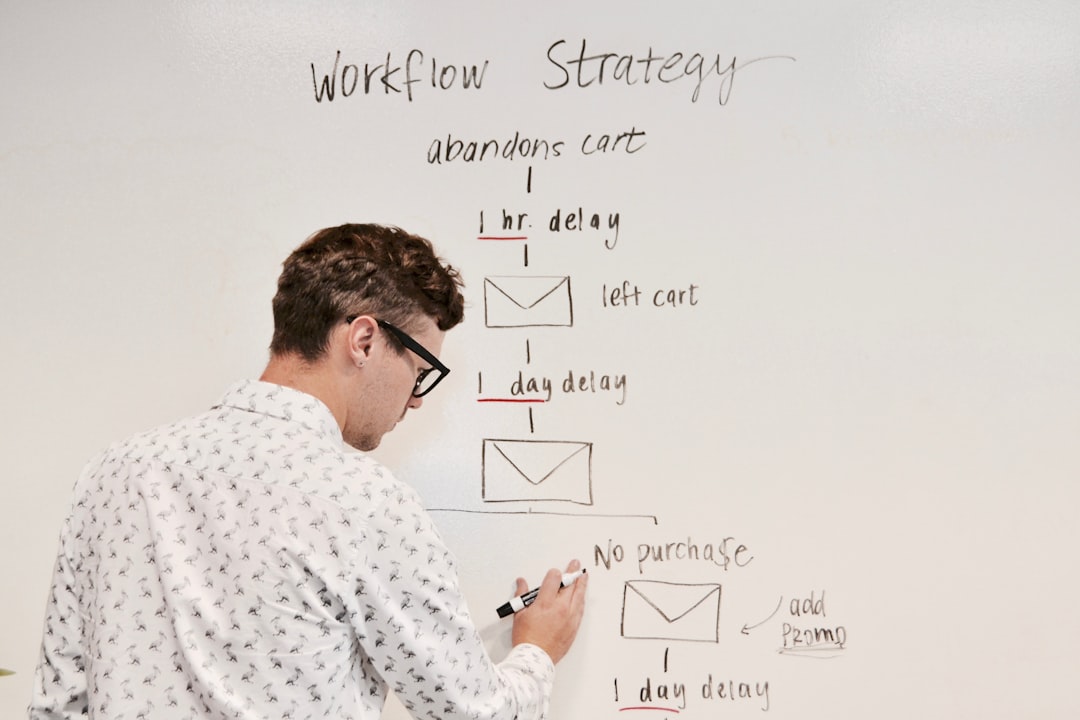
Email list segmentation means dividing your subscribers into smaller groups based on shared traits or behaviors, then sending each group content tailored to where they are in their relationship with your business. Done right, it raises open rates, reduces unsubscribes, and turns a generic newsletter into a genuine revenue channel.
Key takeaways
- Segmenting by engagement level, purchase history, journey stage, and interest are the four highest-impact starting points for most small businesses.
- Smart segmentation also protects your sender reputation and improves email deliverability, not just conversion rates.
- Start with two or three meaningful segments before adding more; over-segmenting a small list can hurt results.
- Behavioral triggers and preference centers let segmentation run automatically, reducing manual list management.
- Review and update your segments at least every 90 days to keep data accurate and campaigns performing.
What is email list segmentation and why does it matter?
List segmentation is the practice of splitting your email subscribers into smaller, targeted groups so each group receives messaging that reflects their specific situation. Instead of sending one generic newsletter to your entire list, you send a focused message to the slice of your audience most likely to act on it.
The payoff is real and consistent. Segmented campaigns regularly produce higher open rates, better click-through rates, and lower unsubscribe rates than unsegmented broadcasts. Subscribers feel understood rather than marketed at, and that distinction is what separates brands that build loyal audiences from brands that constantly fight churn.
For a deeper look at how email fits into a broader automated strategy, see how to build an email drip campaign that nurtures cold leads into paying customers.
How should you segment by engagement level?
Engagement segmentation is the simplest place to start and delivers an immediate return because you are using data you already have. Every email platform tracks who opens and clicks, so group your list into three tiers based on that activity.
The three engagement tiers
| Segment | Definition | Best approach |
|---|---|---|
| Highly engaged | Opens and clicks consistently | Early access, loyalty rewards, referral asks |
| Moderately engaged | Opens occasionally, rarely clicks | Stronger subject lines, clearer single call-to-action |
| Cold contacts | No open or click in 90 or more days | Win-back sequence, then suppress if no response |
Your most engaged subscribers are your best customers in waiting. Treat them accordingly with exclusive content or early-bird offers. Cold contacts deserve a targeted re-engagement attempt before you suppress them from promotional sends. For a full re-engagement playbook, see how to build a re-engagement email campaign that actually wins back subscribers.
How do you segment by purchase history and service interest?
Past behavior is one of the strongest predictors of future behavior. A customer who has already bought from you has demonstrated trust, which makes them far more receptive to a relevant follow-up offer than a cold subscriber who signed up six months ago and never engaged.
Group existing customers by what they purchased or which service they used. Someone who hired you for web design is a natural candidate for an email about SEO or ongoing site maintenance. Someone who bought a single product might respond well to a bundle offer that solves a related problem. The key is relevance: the message should feel like a logical next step, not a random pitch.
If your business offers multiple product lines or service categories, build a separate segment for each one. Customers who have only ever bought in one category do not need emails about an unrelated line, and sending those emails trains them to ignore you.
How do you segment subscribers by journey stage?
Where a subscriber sits in their relationship with your business should determine the entire tone and content of what you send them. A brand-new lead and a two-year customer have completely different needs, and treating them the same guarantees you underserve both.
Four journey-stage segments to build
- New subscribers — Send a welcome sequence that introduces your brand, sets expectations, and delivers on whatever promise got them to sign up. This is not the place for a hard sell. For a full guide, see welcome email sequences that turn new subscribers into loyal customers.
- Active prospects — Subscribers who have shown intent (clicked a pricing page, downloaded a resource, requested a quote) but have not yet converted. These contacts need social proof, specific objection handling, and a clear call to action.
- Active customers — People currently buying from you or actively using your service. Focus on upsell relevance, cross-sell opportunities, and content that helps them get more value from what they already have.
- Lapsed customers — Someone who bought once but has not returned in a defined window. A targeted re-engagement offer with a time-sensitive incentive is more effective here than resuming your standard newsletter cadence.
Building these four segments alone will produce a noticeable improvement in campaign performance for most small businesses.
How does interest-based segmentation work?
Interest-based segmentation lets subscribers self-sort into groups that match what they actually care about. You can collect this data at the point of signup with a single qualifying question, such as asking which service they are most interested in. You can also infer it from behavior: if a subscriber consistently clicks links about one topic and ignores others, that click pattern is a reliable signal.
Most email platforms let you apply tags automatically when a subscriber clicks a specific link. Set that up once and your list segments itself over time without manual work. Someone who clicks three links about social media content is telling you something; they should not receive the same email as someone who keeps clicking your SEO articles.
A preference center is another effective tool. It is a simple page, often linked in your email footer, where subscribers can choose which content categories they want to receive. Preference centers reduce unsubscribes because subscribers adjust their preferences rather than opt out entirely. Orgonas Digital Marketing’s email marketing services include setting up interest-based tagging and preference centers as part of a full strategy build.
How does segmentation affect email deliverability?
Segmentation is not only a conversion strategy; it is a technical health practice for your entire email program. Inbox providers like Gmail and Outlook pay close attention to engagement signals when deciding where to place your messages. When a large portion of your list ignores your emails, that negative signal damages your sender reputation and pushes future sends toward the spam folder.
By suppressing cold contacts from promotional campaigns and sending only to engaged segments, you keep your engagement metrics strong. Strong engagement metrics tell inbox providers that your content is wanted, which protects deliverability across your entire list, including the segments that are still warming up.
Sending the same message to a bloated, unmanaged list is one of the most common and damaging mistakes in email marketing. It is not just inefficient; it actively undermines the results you get from every other send. Regular list hygiene and segment-based suppression work together to keep your domain in good standing.
For related guidance on sending cadence and list health, see email frequency best practices for small businesses.
What are the most practical steps to build your first segments?
If you have never segmented your list before, the following process will get you to a functional setup without overwhelming your current operations.
- Audit your existing list and identify data you already have: purchase history, signup source, location, last open date. Most of your first segments will come from data already sitting in your platform.
- Start with two or three segments, not ten. Engagement level (active versus cold) and journey stage (new lead versus existing customer) will cover the majority of your list and produce immediate results.
- Add a qualifying question to your signup form. One well-chosen question, such as “What are you most interested in?” with three or four answer options, allows every new subscriber to self-segment from day one.
- Set up automated tagging based on link clicks. This is a one-time configuration that segments subscribers based on their behavior without any ongoing manual effort.
- Create a preference center and link to it in your email footer. Give subscribers control over what they receive and how often.
- Review your segments every 90 days. Move subscribers between segments based on recent behavior. Someone who was cold six months ago may now be clicking consistently and deserves to move into your active tier.
- A/B test within segments, not across your whole list. Different audiences respond to different tones, subject line styles, and offer types. Testing at the segment level gives you cleaner, more actionable data.
Segmentation pairs naturally with personalization. For more on making individual subscribers feel like you are speaking directly to them, see personalization in email marketing.
Common questions
How many segments should a small business start with?
Two or three segments is the right starting point for most small businesses. Engagement level and journey stage give you the highest impact with the least complexity. Adding more segments before your list and processes are mature tends to create more management overhead than performance gain.
Can you segment a small email list effectively?
Yes, but keep it proportionate. If your list has fewer than 500 subscribers, two focused segments, such as new subscribers and existing customers, will serve you better than four or five micro-groups. The goal is relevance, and you can achieve that with simple, well-defined criteria even on a modest list.
What data do you need to start segmenting?
You need less than you think. Open and click history, signup source, and purchase or inquiry records are enough to build meaningful starting segments in most email platforms. You do not need a CRM or complex integrations to begin; most tools like Mailchimp, Klaviyo, and ActiveCampaign surface this data natively.
How often should you update your segments?
At a minimum, review and refresh your segments every 90 days. Subscriber behavior changes, and a contact who was cold three months ago may have re-engaged. Dynamic segments that update automatically based on behavior are ideal, but even a quarterly manual review will keep your data accurate and your deliverability strong.
Is segmentation the same as personalization?
They are related but different. Segmentation is about grouping subscribers so each group receives relevant content. Personalization is about customizing individual elements within an email, such as a first name in the subject line or a product recommendation based on past purchases. The two strategies work best when used together: segment first, then personalize within each segment.
Ready to build a smarter email strategy for your business?
Segmentation is the foundation of an email program that actually performs. If your current campaigns feel like they are going to the wrong people or not connecting the way they should, the problem is usually structure, not content. At Orgonas Digital Marketing, we build strategic email marketing systems that include full list audits, segmentation mapping, automated sequences, and ongoing performance analysis. Whether you are starting from scratch or reviving a list that has gone cold, we can help you turn subscribers into consistent revenue. Contact Orgonas Digital Marketing to talk through your email strategy.
Written by Nolan Orgonas, Founder and Creative Director of Orgonas Digital Marketing. Nolan has more than 7 years of experience in web design, SEO, email marketing and digital strategy for businesses, higher education and nonprofits.





